If you’re trying to conceive, experiencing spotting before your period, recurrent miscarriage or failed IVF, you may have wondered whether low progesterone could be contributing.
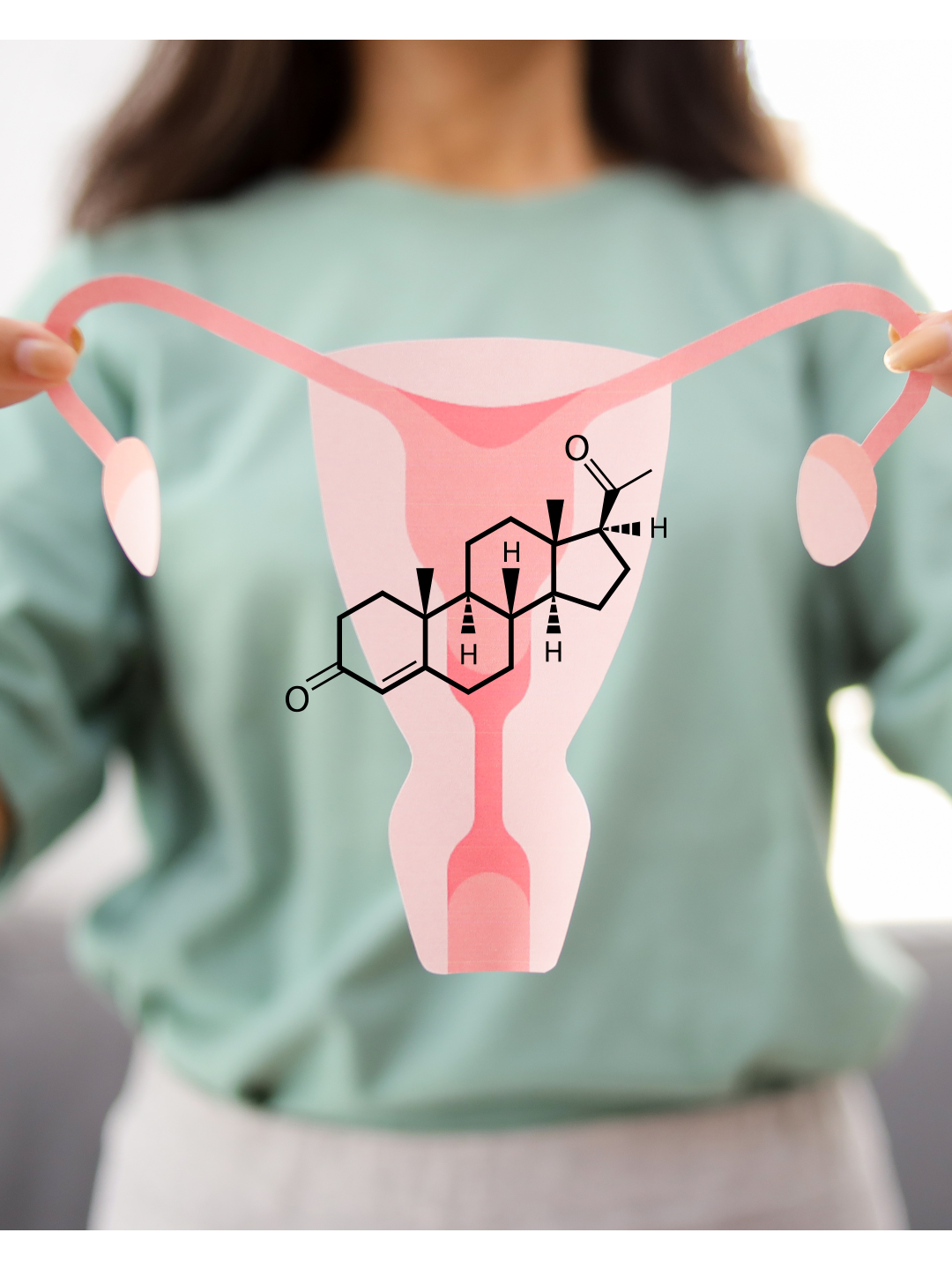
Progesterone is often called the “pregnancy hormone,” but its role begins long before pregnancy. It prepares the lining of the uterus for implantation, supports early pregnancy and helps create the best possible environment for an embryo to grow.
However, progesterone is often misunderstood. A normal blood progesterone result doesn’t always mean your uterus is receiving enough progesterone or responding to it as expected. Understanding how progesterone works can help explain why some women struggle with implantation despite having “normal” hormone tests.
What Is Progesterone?
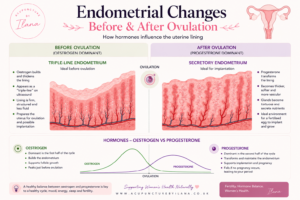
After ovulation, the empty follicle becomes the corpus luteum, which produces progesterone. This hormone transforms the uterine lining from one that has been growing under the influence of oestrogen into one that is ready to receive an embryo.
If pregnancy occurs, progesterone continues to support the pregnancy until the placenta takes over hormone production at around 10–12 weeks.
Progesterone is responsible for:
- Preparing the uterus for implantation.
- Supporting early pregnancy.
- Regulating the immune environment within the uterus.
- Reducing uterine contractions.
- Balancing the effects of oestrogen.
Why Is Progesterone Important for Implantation?
Following ovulation, progesterone opens a short period known as the window of implantation, when the uterus is most receptive to an embryo.
During this time, progesterone:
- Thickens and matures the endometrial lining.
- Increases blood flow to the uterus.
- Encourages the production of nutrients needed by the embryo.
- Helps regulate the immune system so the embryo is accepted rather than rejected.
If progesterone rises too slowly, falls too early or the uterine lining doesn’t respond appropriately, implantation may be less likely to occur.
Signs of Low Progesterone
Symptoms vary between individuals, but common signs include:
- Spotting before your period.
- A short luteal phase (less than 10–11 days).
- Difficulty conceiving.
- Recurrent miscarriage.
- Heavy or irregular periods.
- Anxiety, poor sleep or mood changes during the second half of your cycle.
These symptoms do not always mean progesterone is low, but they are worth discussing with your healthcare practitioner.
Blood Progesterone Isn’t the Whole Story
One of the biggest misconceptions is that a normal progesterone blood test means everything is functioning perfectly.
Progesterone acts directly within the lining of the uterus (the endometrium), and the amount measured in the bloodstream doesn’t always reflect how much progesterone is reaching the uterine tissue or how well the lining is responding.
This means that some women have normal blood progesterone levels, yet their endometrium may not be fully receptive to implantation. Others may have lower blood levels but a healthy uterine response.
For this reason, fertility specialists rarely rely on a progesterone blood test alone.
What Can an Ultrasound Tell Us?
Although an ultrasound cannot measure progesterone directly, it can provide clues about whether progesterone has had its expected effect on the uterine lining.
Before ovulation, the endometrium usually has a triple-line (trilaminar) appearance under the influence of oestrogen. After ovulation, progesterone should transform it into a brighter, more uniform secretory endometrium.
If this change does not occur as expected, it may suggest the lining has not responded optimally, even when blood progesterone levels appear normal.
What Causes Low Progesterone?
Several factors can affect progesterone production or function, including:
- Poor or irregular ovulation.
- PCOS.
- Thyroid dysfunction.
- Chronic stress.
- Endometriosis or adenomyosis.
- Perimenopause.
- Age-related decline in ovarian reserve.
Identifying and addressing the underlying cause is often more effective than simply replacing progesterone.
Can Acupuncture Help?
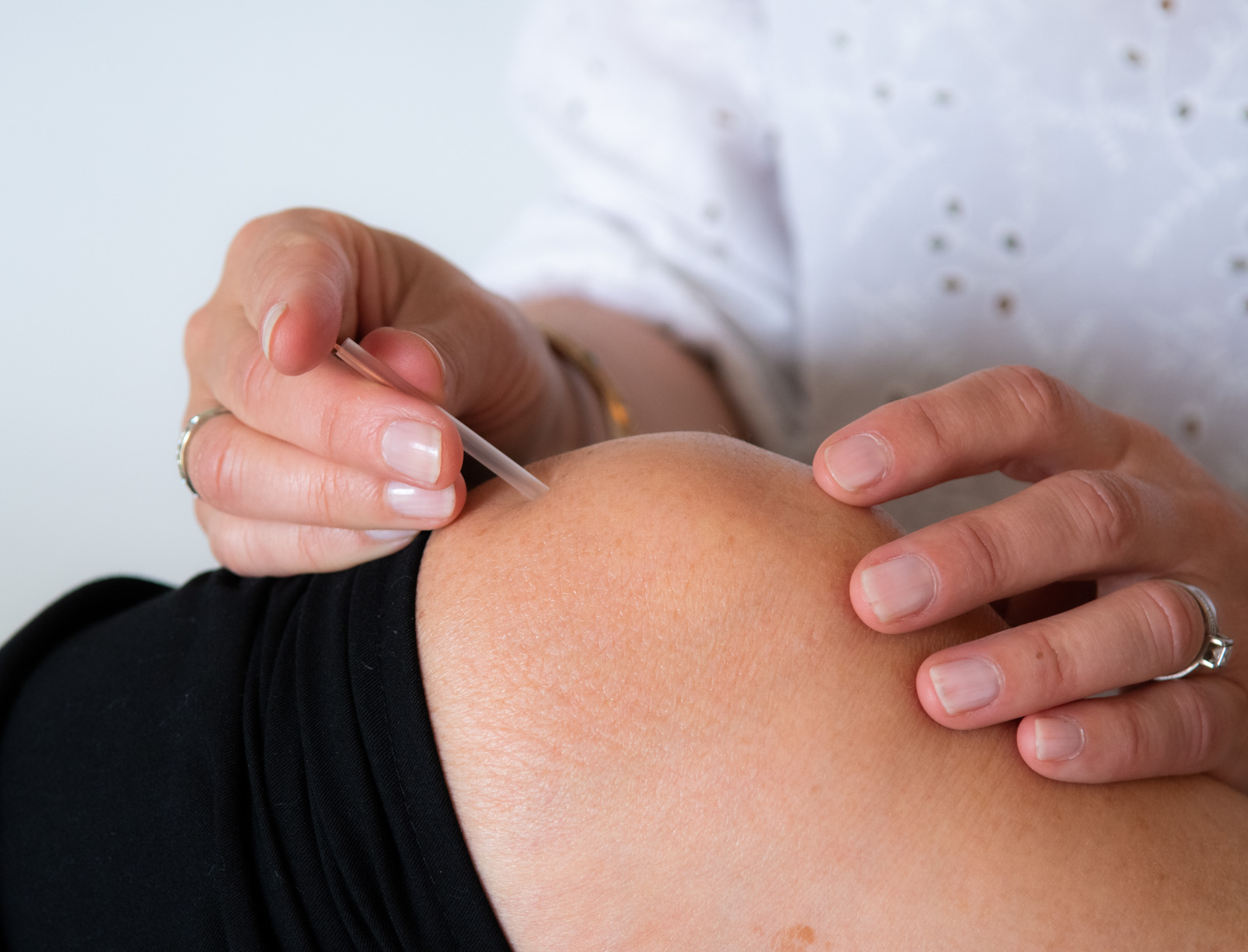
Rather than acting like hormone replacement, acupuncture helps your body produce progesterone naturally by:
- Supporting healthy ovulation, allowing the corpus luteum (the structure left behind after ovulation) to produce the progesterone
- Improving blood flow to the uterus and ovaries.
- Helping regulate reproductive hormones.
- Reducing stress.
- Supporting endometrial development.
Acupuncture supports healthy progesterone levels and create the best possible environment for implantation and early pregnancy.
Because eggs take around three months to mature before ovulation, starting treatment several months before trying to conceive or beginning IVF may provide the greatest benefit.
Final Thoughts
Progesterone is one of the most important hormones for fertility, implantation and maintaining early pregnancy, but it is only one part of a much bigger picture.
If you’re experiencing spotting before your period, recurrent miscarriage, failed IVF or difficulty conceiving, it’s important to look beyond a single blood test. Assessing your menstrual cycle, ovulation, ultrasound findings, hormone profile and overall health can provide a much clearer understanding of what may be affecting your fertility.
At Acupuncture by Ilana, I specialise in fertility and women’s health acupuncture from my peaceful clinic in Bricket Wood, near St Albans and Radlett, Hertfordshire. Every treatment plan is tailored to your unique fertility journey, whether you’re trying to conceive naturally or through IVF.
If you’d like to optimise your fertility and give yourself the very best chance of conception, you can book an appointment online or get in touch to discuss your individual circumstances.
Frequently Asked Questions
Can you get pregnant with low progesterone?
Yes. Many women with lower progesterone conceive naturally. However, progesterone is essential for preparing the uterus for implantation and supporting early pregnancy.
Can low progesterone cause miscarriage?
It may contribute in some women, particularly those with recurrent miscarriage, but miscarriage has many possible causes and should always be investigated appropriately.
Can low progesterone stop implantation?
It may make implantation less likely if the endometrium does not become fully receptive during the implantation window.
What progesterone level is needed for implantation?
There is no single progesterone level that guarantees implantation. Blood results should always be interpreted alongside ovulation timing, ultrasound findings and your clinical history.
Does acupuncture increase progesterone?
Current evidence suggests acupuncture supports the body’s natural reproductive function rather than directly increasing progesterone. Its benefits may include improving blood flow, supporting ovulation, reducing stress and creating a healthier environment for implantation.