Constipation is more than just uncomfortable. It can affect your hormones, fertility, and even your perimenopause or menopause symptoms. If your digestion feels sluggish, your body may not be clearing waste — including hormones — as it should. Let’s look at why this matters and what you can do.
Why Does Going to the Toilet Matter?
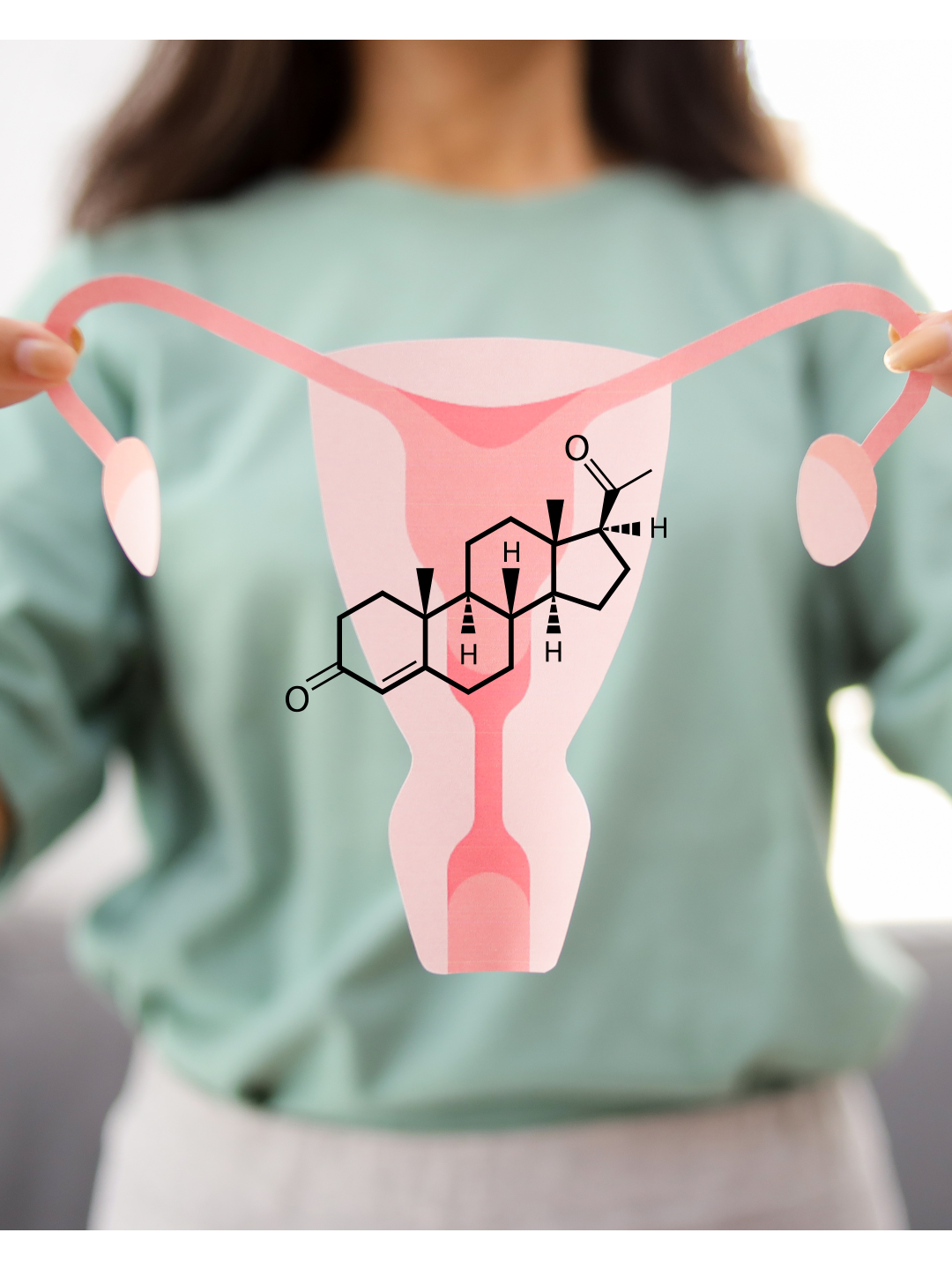
Your bowels are one of the main ways your body gets rid of used hormones. Oestrogen, for example, is broken down in the liver and then leaves the body through your stool.
If you’re constipated, that oestrogen can get reabsorbed into your bloodstream. This can lead to oestrogen dominance.
Signs of too much oestrogen can include:
-
Heavy or painful periods
-
PMS and mood swings
-
Breast tenderness
-
Bloating or weight gain on the hips and thighs
-
Worsening conditions like fibroids, endometriosis, or polyps
👉 To keep hormones balanced, it’s best to go to the toilet at least once a day.
Constipation, Fertility and Hormones
Constipation doesn’t just recycle unwanted hormones. It can also:
-
Cause inflammation in the gut and pelvis
-
Reduce blood flow in the womb and ovaries
-
Upset the gut microbiome (important for fertility and immunity)
-
Leave you feeling stressed, tired, and uncomfortable
All of these can get in the way of healthy cycles, ovulation, and conception.
Constipation in Perimenopause and Menopause
Many women notice changes in digestion during perimenopause and menopause. Falling hormone levels — especially oestrogen and progesterone — can slow bowel movements and cause bloating or constipation.
If you’re not clearing waste daily, you may reabsorb excess oestrogen, which can make symptoms worse. This can mean:
-
More hot flushes and night sweats
-
Heavier or irregular bleeding in perimenopause
-
Mood swings or anxiety
-
Weight gain or bloating
Supporting healthy bowel movements during this time helps your body detox and can ease many menopause symptoms. Read more about how acupuncture can help menopause.
How Acupuncture Can Help Constipation?
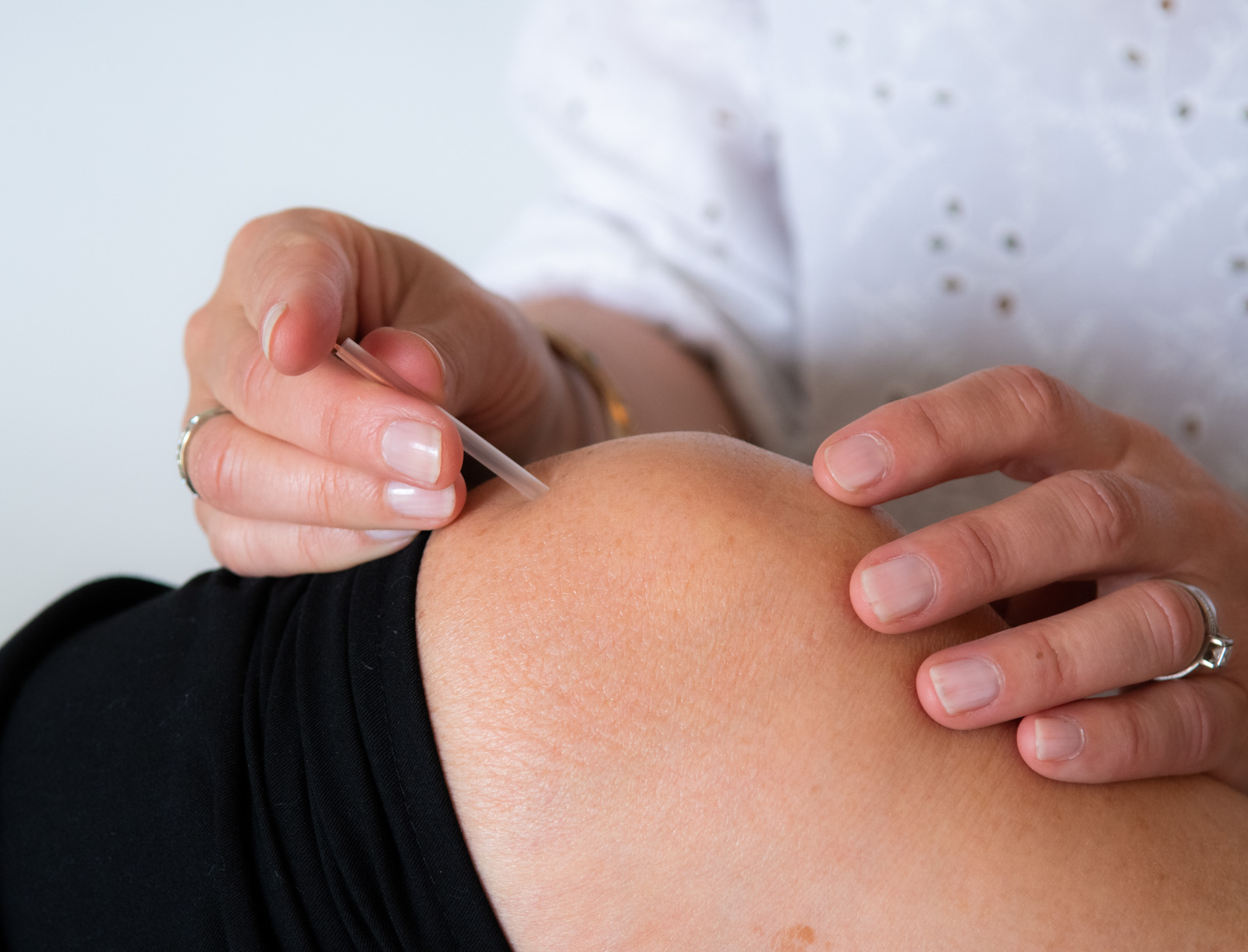
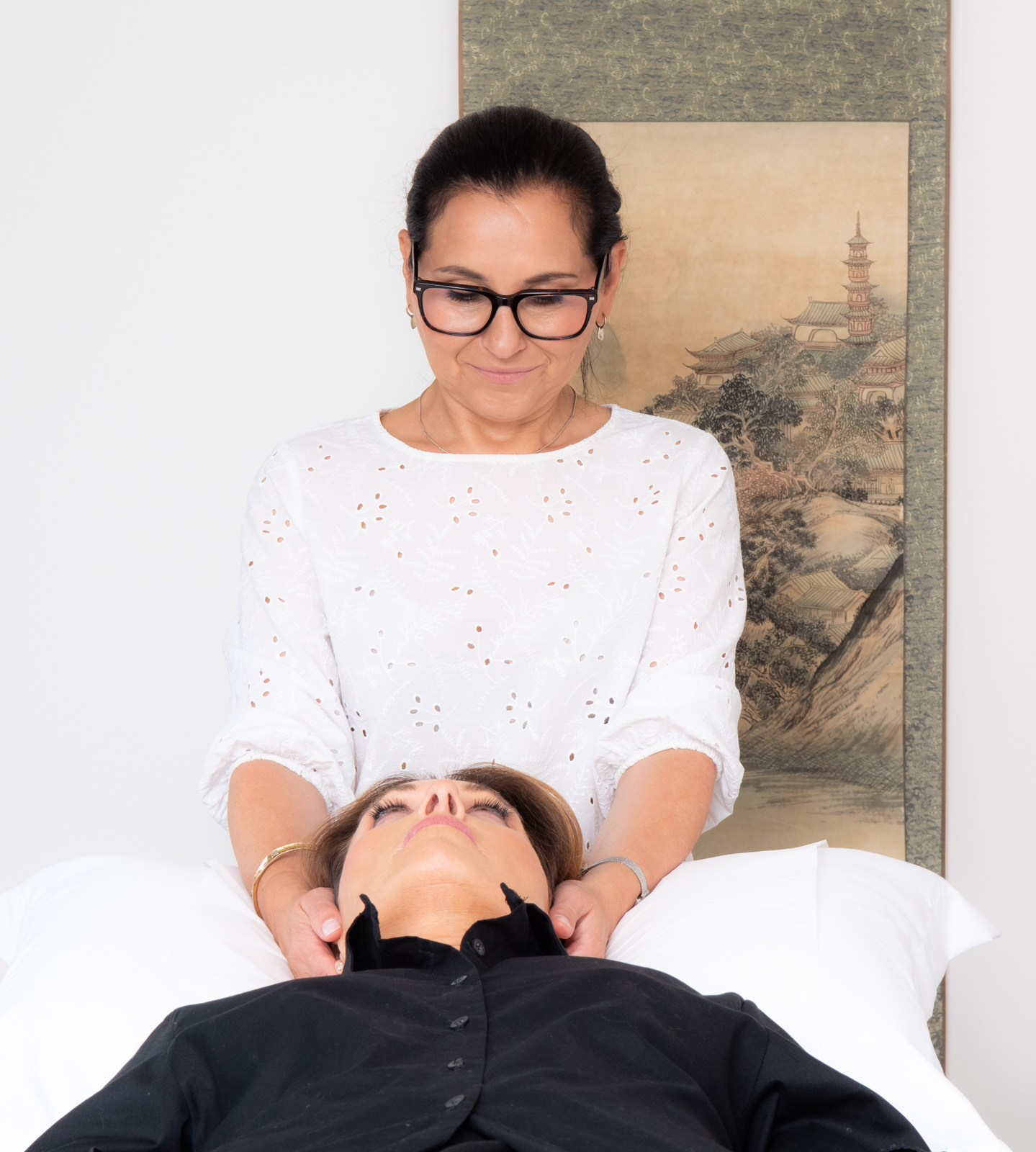
In Chinese Medicine, constipation happens when energy (Qi) or fluids get stuck. Acupuncture helps to get things moving again.
It works by:
-
Stimulating digestion
-
Improving pelvic blood flow
-
Calming stress and anxiety
-
Supporting the liver to process and clear hormones
Many women find that once their digestion improves, their cycles balance, PMS eases, and menopausal symptoms reduce too.
What Can You Do at Home?
Lifestyle Tips
-
Drink water — dehydration is a big cause of constipation.
-
Eat fibre — fruits, veg, beans, seeds, and whole grains keep stools soft.
-
Move your body — walking, yoga, or stretching helps your bowels move.
-
Create a routine — sit on the toilet at the same time each day, ideally after breakfast.
-
Relax — stress slows digestion, so try deep breathing, meditation, or a warm bath.
Massage and Acupressure
-
Belly massage: Massage your tummy in a gentle clockwise circle for 5–10 minutes.
-
Acupressure points:
-
ST25 – two fingers out from your belly button.
-
ST36 – four fingers below the knee, to the outside of your shin.
-
LI4 – in the soft spot between thumb and index finger.
-
These simple techniques can help stimulate digestion and ease bloating.
Final Thoughts
Constipation isn’t just a bathroom issue. It can affect your hormones, your cycles, your fertility, and your perimenopause or menopause symptoms. The good news? With acupuncture, small lifestyle tweaks, and simple home techniques, you can get things moving — and support your body in the process.
👉 Want help with your digestion, hormones, or menopause health? Book an acupuncture session and let’s get you feeling lighter and healthier.
FAQ’s
When should I seek medical advice for constipation?
You should speak to a healthcare professional if constipation is persistent, severe, painful, associated with bleeding, unexplained weight loss, ongoing abdominal pain, or significant changes in bowel habits. It’s important to rule out underlying medical causes.
Is it normal for constipation to worsen during perimenopause?
Very common. Hormonal fluctuations, stress, poor sleep, reduced movement, and changes in digestion during perimenopause can all contribute to constipation and bloating. Many women notice their digestion becomes slower as hormone levels shift.
Why do I get constipated before my period?
Many women notice constipation in the second half of their cycle due to rising progesterone levels. Progesterone relaxes smooth muscle tissue, including the bowels, which can slow digestion and lead to bloating or sluggish bowel movements before menstruation.
Can constipation affect egg quality?
Potentially, yes. Chronic constipation may contribute to inflammation, poor circulation, stress on the body, and hormone imbalance — all of which can impact the environment where eggs develop. Good digestion supports better nutrient absorption, detoxification, and overall reproductive health.
Can stress cause constipation?
Yes. Stress activates the nervous system’s “fight or flight” response, which can slow digestion and reduce bowel motility. This is why many people notice worsening constipation during periods of anxiety, overwhelm, or poor sleep.