
Quick answer
Most ovulation tests measure a hormone called LH, which surges just before an egg is released. A positive test shows your body is trying to ovulate, but it cannot prove an egg was actually released. Conditions such as PCOS, perimenopause or a follicle that does not rupture can give a positive test without ovulation. The only way to confirm ovulation is to check afterwards, with a progesterone blood test, temperature charting or a follicle tracking scan.
Still not pregnant, despite a positive every month?
You test, you get the smiley face, you plan around it, and then another period arrives. Having been through my own fertility journey, I know how confusing this feels. The good news is that your test is only telling you part of the story.
What do ovulation tests actually measure?
Most ovulation sticks measure luteinising hormone (LH). LH surges about 24 to 36 hours before an egg is released. It is the brain’s signal to the ovary to ovulate.
So a positive shows the signal was sent, not that the egg was released. It is like hearing the starting gun without seeing the runner leave the blocks.
Some newer tests also measure oestrogen, or progesterone (PdG), which can suggest ovulation has actually happened. I recommend to my patients
Why can ovulation tests get it wrong?
| Reason | What happens |
|---|---|
| Surge without ovulation | The follicle does not release the egg (called LUF) |
| PCOS | LH can stay high, giving lots of positives |
| Perimenopause | LH naturally rises as the ovaries slow down |
| A missed surge | Some surges last under 12 hours, so one test a day can miss them |
| Diluted urine | Lots of fluid beforehand weakens the result |
| Fertility medication or recent pregnancy | hCG can show as a false positive |
Tip: test in the early afternoon, and twice a day around your fertile window.
How do you know if you really ovulated?
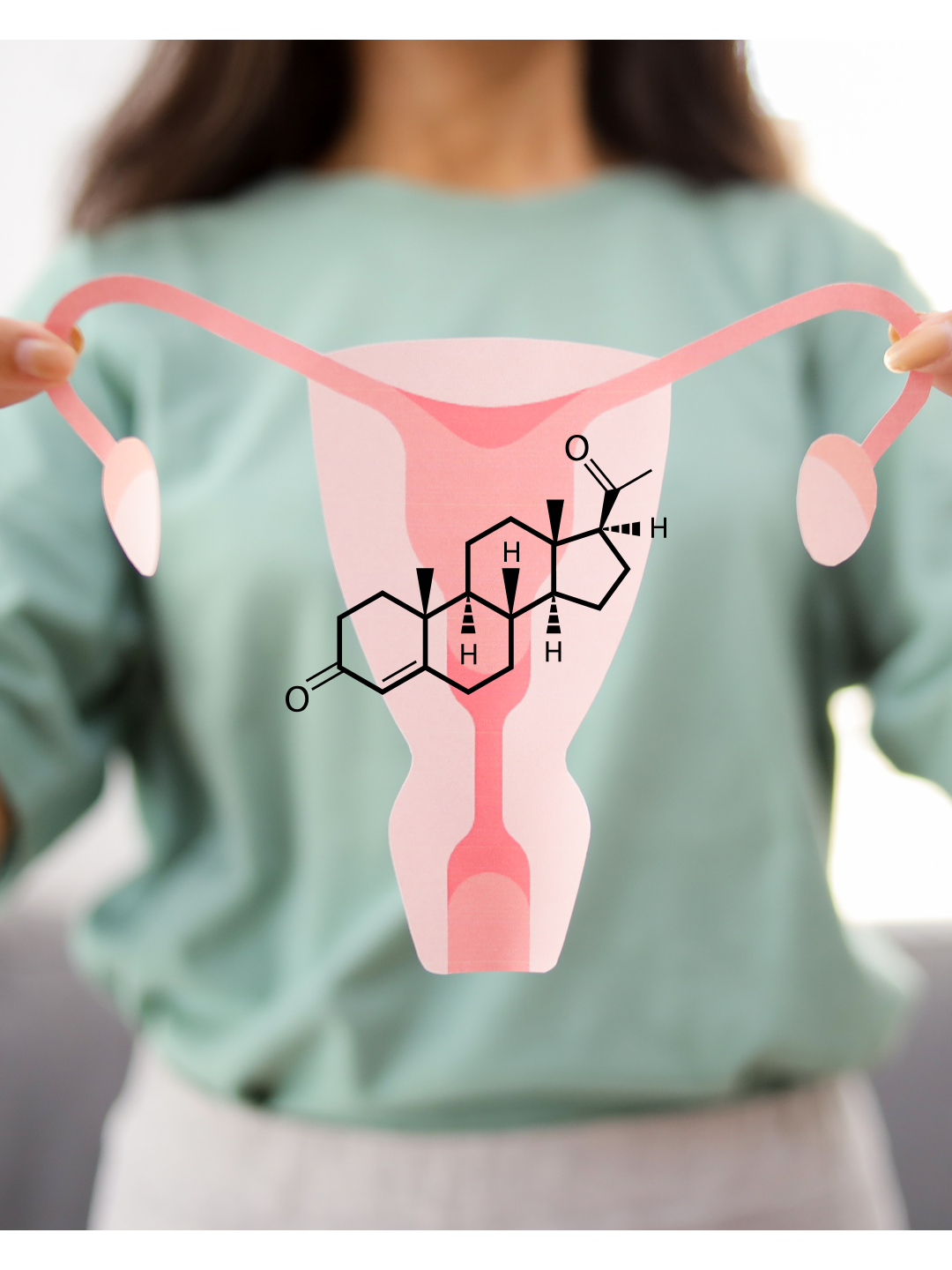
After ovulation your body makes progesterone. These checks look for it:
- Temperature charting (BBT): Progesterone increases the body’s temperature so look for a small rise that stays up for 3 days or more.
- Progesterone blood test: about 7 days after ovulation, so not always on day 21. Count back 7 days from when your period is due.
- Follicle tracking scan: the most accurate way to see the egg released using ultrasound.
Ovulating but still not pregnant?
Ovulation is just one piece of the picture. Timing, sperm health (a factor in around half of couples), fallopian tubes, egg quality, endometriosis and thyroid levels all matter too.
NHS guidance suggests seeing your GP after 12 months of trying, or 6 months if you are 36 or over. My advice to my patients is not to wait that long. I suggest checking your fertility after 6 months of trying, and if you are a little older, getting checked before you even start. Go sooner too if your periods are irregular, very painful or absent.
How I can help you
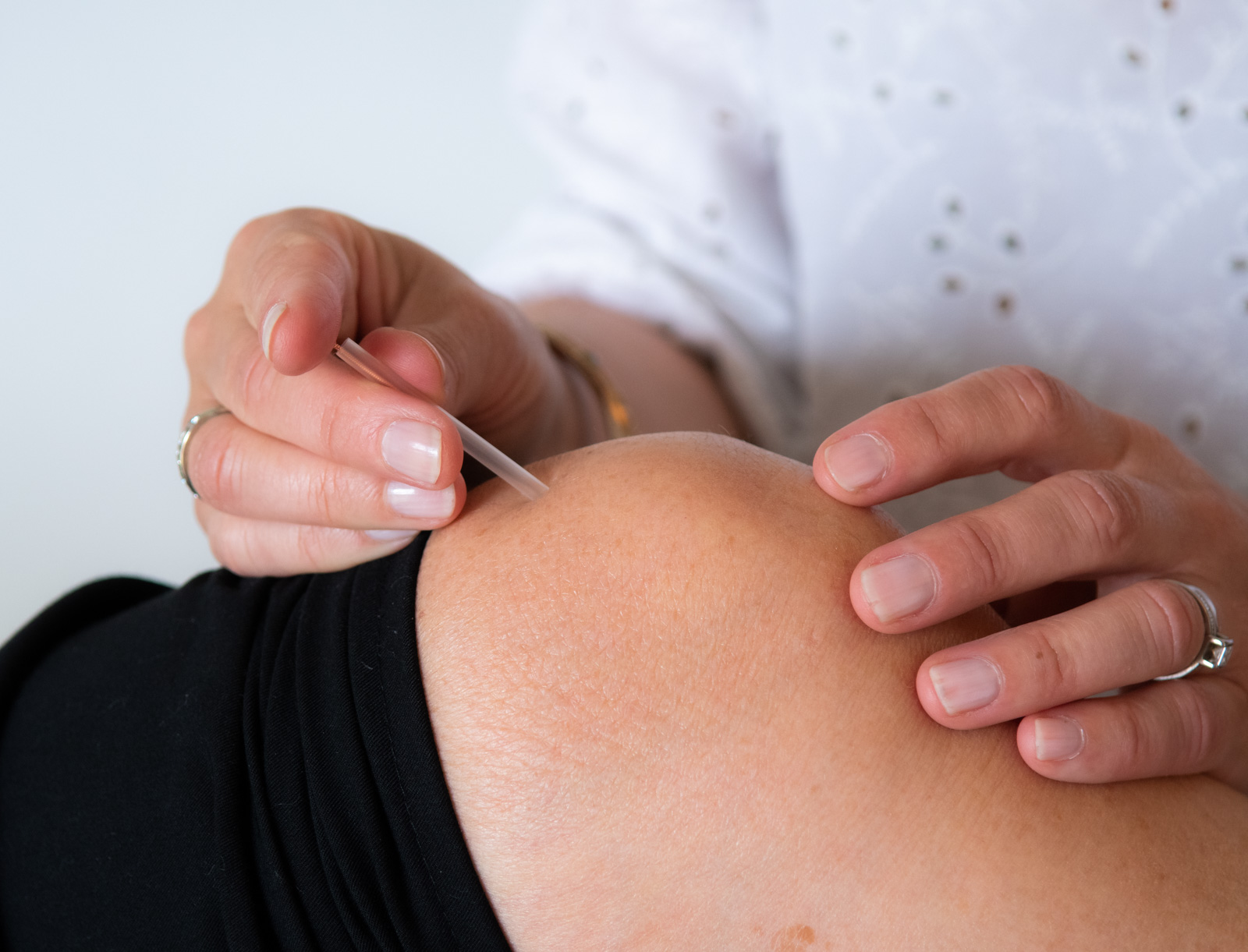
At my calm clinic in Bricket Wood, near St Albans, I offer more than acupuncture. Together we look at your tests and charts, work out which investigations to ask your GP for and when, and I refer you on to a fertility consultant whenever it is needed. Acupuncture can also help you feel calmer and supported along the way.
I won’t just treat you. I’ll help you understand your body, so no time is wasted.
Frequently asked questions
Q: Can you get a positive ovulation test and not ovulate?
A: Yes, and it is more common than many women realise. An ovulation test detects the LH surge, which is your brain’s signal telling the ovary to release an egg. It cannot tell you whether the egg was actually released. Sometimes the follicle does not rupture and the egg stays inside (called luteinised unruptured follicle, or LUF). With PCOS, LH can be high for much of the cycle, giving several positives without ovulation. In perimenopause, LH naturally rises as the ovaries slow down, so tests may read positive more often. Stress, illness or travel can also cause a surge that does not lead to ovulation. To know for sure, look for signs after the event: a rise in your temperature, a progesterone blood test about 7 days later, or a follicle tracking scan.
Q: How long after a positive test do you ovulate?
A: Usually 24 to 36 hours.
Q: Is the day 21 test always on day 21?
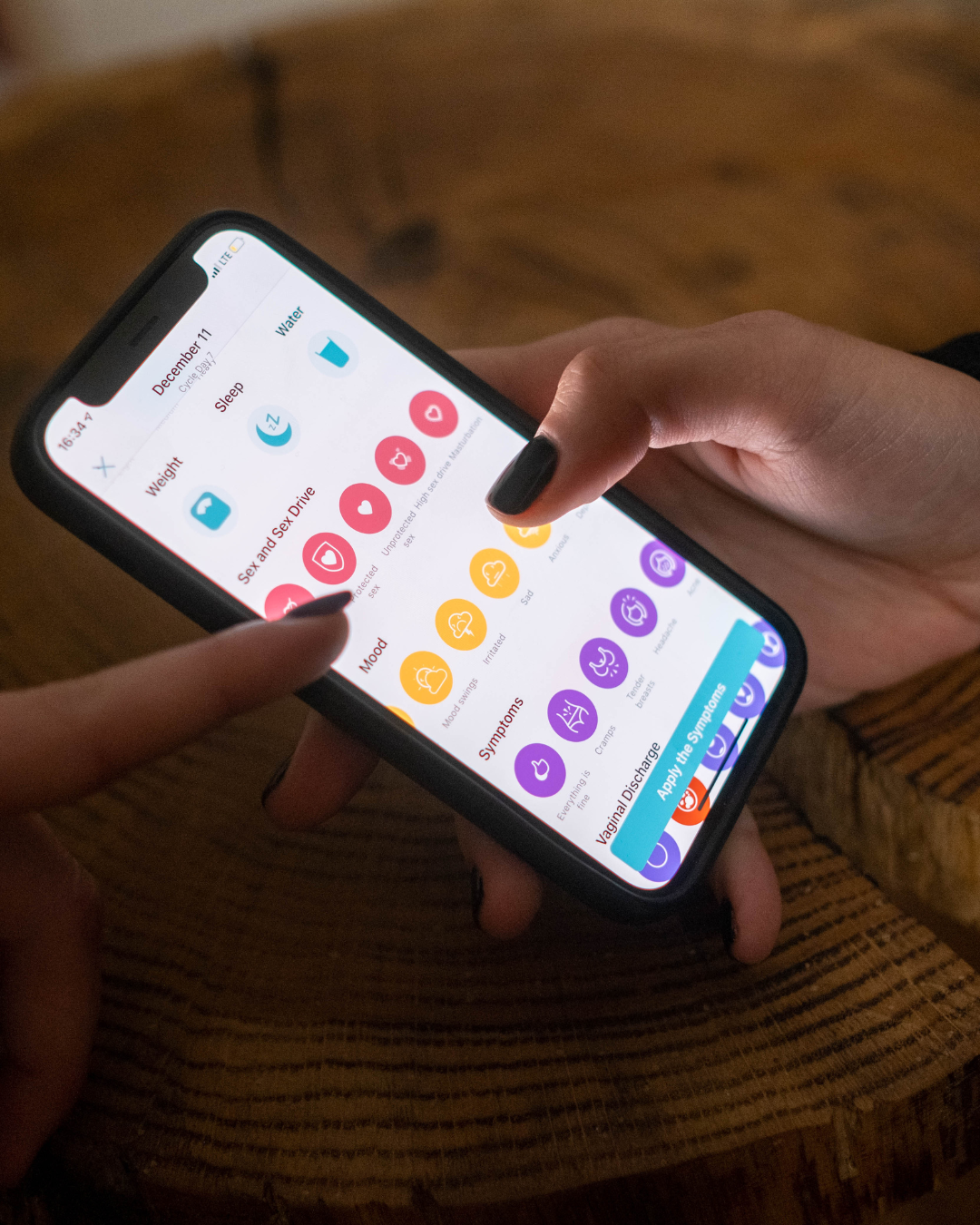
A: Not always. The progesterone test should be done about 7 days after you ovulate. Day 21 only works if you have a textbook 28 day cycle, but many women have shorter or longer cycles. In fact, a large study of over 600,000 cycles found that only 13% were exactly 28 days long, with the average being 29.3 days. If your cycle is 32 days, for example, you are likely to ovulate around day 18, so your test should be around day 25. A simple guide is to count back 7 days from when your next period is due. The same problem applies to period tracking apps that predict your fertile window using a standard 28 day cycle. They can easily miss your real fertile days, which is why tracking your own signs, such as temperature and cervical mucus, gives a much clearer picture.
Q: Can acupuncture help with fertility?
A: Many women choose acupuncture to support their fertility, whether they are trying naturally or going through IUI or IVF. Research suggests acupuncture can increase blood flow to the uterus and ovaries, help regulate the menstrual cycle and hormones, support a healthy womb lining and lower stress hormones, which can all play a part in conception.
Some studies of women having IVF have also shown improved outcomes when acupuncture is used alongside treatment, although results vary between studies. It is also a gentle, relaxing treatment, which matters when trying to conceive can feel so stressful. In my fertility acupuncture sessions, I also look at the bigger picture: your cycle, your symptoms and any test results, so we can spot anything that needs further investigation. I am advanced fertility trained and always work alongside your GP or fertility consultant, never instead of medical care. If tests or treatment are needed, I will tell you and help you take the next step. You can read more about how I support you on my fertility acupuncture page.
Let’s make sense of your cycle together
If you are getting positive ovulation tests but still no pregnancy, you deserve answers, not more guesswork. Bring your tests, charts or app screenshots to your first appointment and we will look at them together.
Book your fertility acupuncture appointment in St Albans at acupuncturebyilana.co.uk, or email contact@acupuncturebyilana.co.uk.