
You fall asleep absolutely fine.
Then suddenly you are wide awake at 3am, staring at the ceiling, thinking about something embarrassing you said in 2007, tomorrow’s shopping list and whether you remembered to reply to that email.
Sound familiar?
If waking in the middle of the night has suddenly become your new normal, perimenopause could be playing a part.
Sleep problems are common during perimenopause and menopause. Some women struggle to fall asleep, while others fall asleep easily but repeatedly wake during the night.
And no, there is nothing particularly magical about 3am. Your hormones do not have a tiny alarm clock set for 3.07 every morning.
Here are some of the frequently asked questions I’m most often asked about perimenopause, sleep and those frustrating 3am wake ups.
😴 Why does perimenopause affect sleep?
During perimenopause, levels of oestrogen and progesterone fluctuate before eventually declining.
But why should hormones involved in our reproductive system affect whether we sleep?
Because oestrogen and progesterone do much more than regulate periods. They also interact with brain systems involved in sleep, mood and temperature regulation.
Oestrogen influences several neurotransmitter systems, including serotonin. Changing oestrogen levels can also affect the hypothalamus, an area of the brain involved in regulating body temperature.
This is one reason hot flushes and night sweats can become such a nuisance during perimenopause. Temperature regulation becomes more sensitive, so relatively small changes in body temperature can trigger heat and sweating and potentially wake you from sleep.
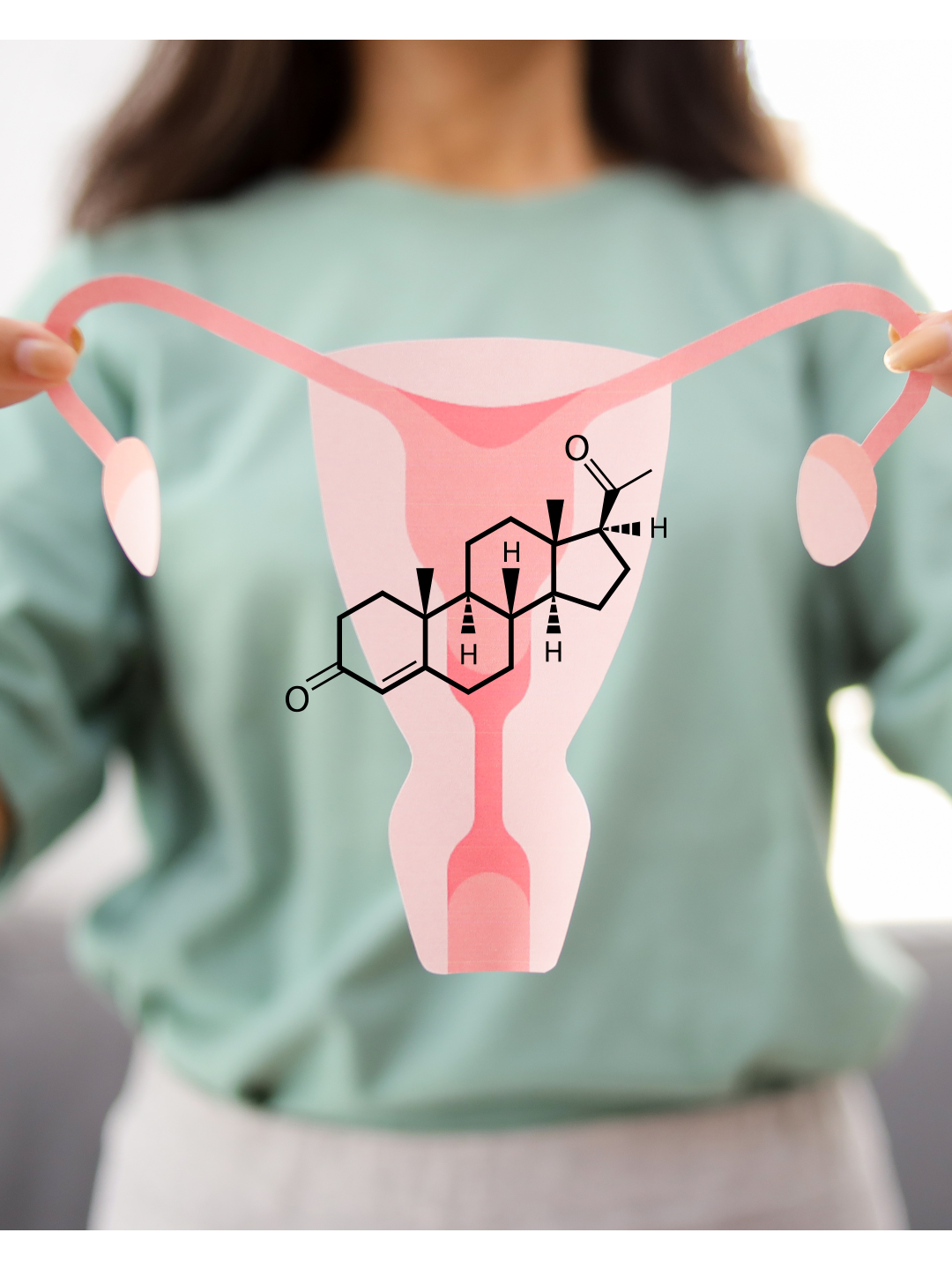
Progesterone is interesting too. One of its metabolites, allopregnanolone, interacts with GABA receptors in the brain. GABA is one of our main calming neurotransmitter systems and is involved in sleep.
During perimenopause, ovulation can become less consistent, which means progesterone production can also become more variable.
So changes in both oestrogen and progesterone may contribute to the sudden appearance of sleep problems during perimenopause.
🥱Is melatonin responsible for waking during the night?
Melatonin is often called our sleep hormone. It helps regulate our circadian rhythm and signals to the brain that it is nighttime and time for sleep.
Melatonin production also changes as we get older, and there are complex interactions between our reproductive hormones, melatonin and the systems controlling our body clock.
So, perimenopause sleep problems are not simply caused by low melatonin.
Instead, several things may be happening at once. Hormonal fluctuations can influence temperature regulation, brain signalling, mood and sleep.
Add a hot flush, a stressful day and a brain that suddenly wants to reorganise your entire life at 3am, and you can see why sleep can become rather complicated.
💤 What sleep changes might I notice during perimenopause?
You might notice yourself:
- Waking in the early hours and struggling to get back to sleep
- Having hot flushes or night sweats
- Feeling anxious or unusually alert when you wake
- Waking with palpitations
- Needing to go to the toilet more frequently
- Sleeping more lightly than you used to
- Feeling exhausted the following day
Sometimes the reason you have woken is obvious. You are hot, sweaty and throwing the duvet across the room.
Other times, you simply find yourself awake.
Again.
🕒 Why do I keep waking specifically around 3am?
There is no recognised medical phenomenon that makes 3am specifically a menopause time.
We naturally move through different stages of sleep during the night, including periods of lighter sleep. If your sleep has become more vulnerable because of hormonal changes, temperature fluctuations, stress or anxiety, you may be more likely to wake during these lighter periods.
Interestingly, traditional Chinese medicine has its own perspective on this too. According to the Chinese body clock, 1am to 3am is traditionally associated with the Liver system and 3am to 5am with the Lung system.
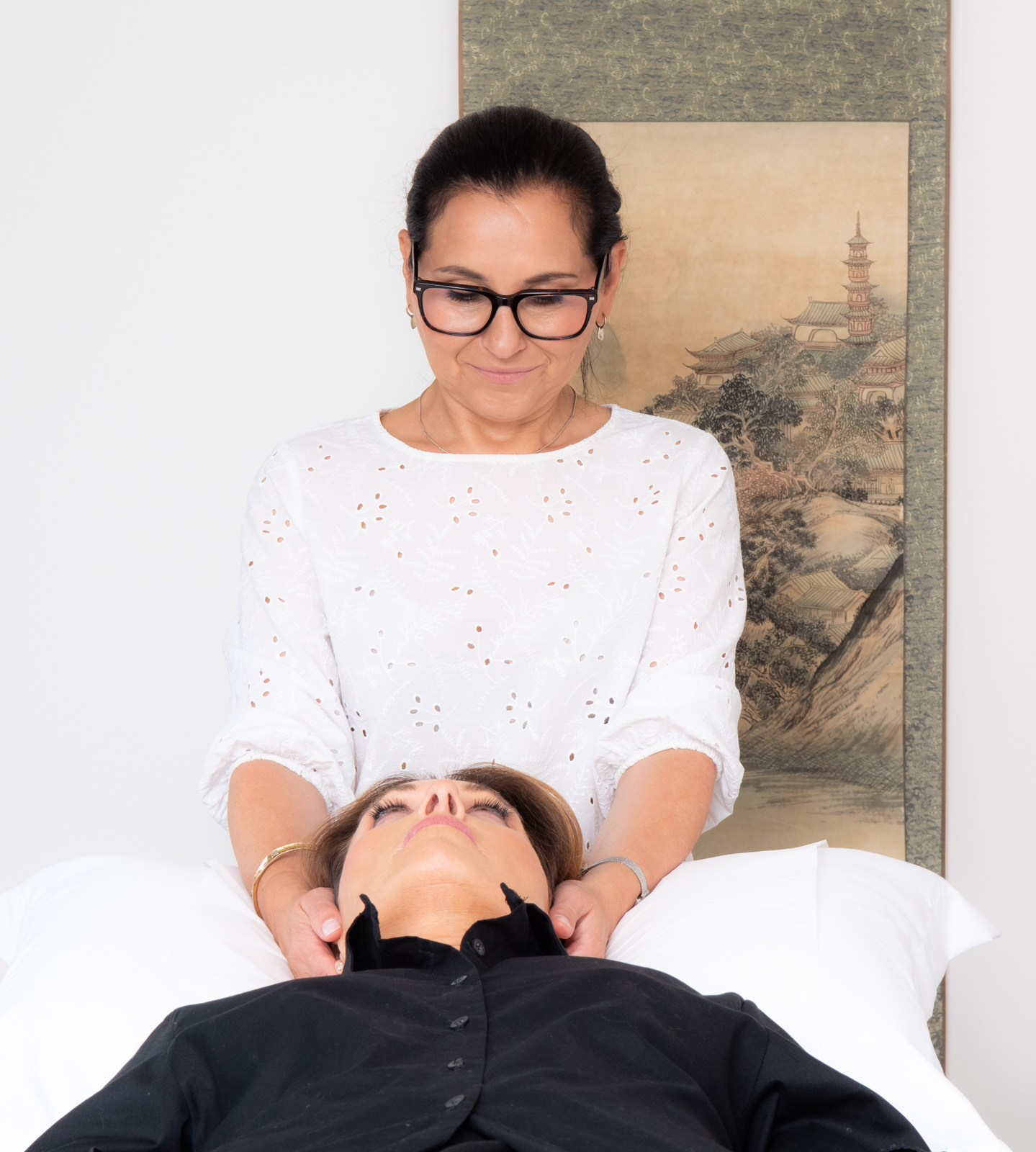
As an acupuncturist, this is something I may consider alongside your other symptoms. It does not mean that waking at 3am indicates something is wrong with your physical liver or lungs.
And once you are awake, another problem can appear.
Your brain decides that 3am is apparently the perfect time to solve every problem you have ever had.
Worrying about not sleeping then makes you more alert, making it even harder to drift off again.
🔥 Why can hot flushes wake me even if I don’t remember having one?
Here is an interesting menopause fact.
Hot flushes are not simply a case of becoming a bit too warm.
Hormonal changes around menopause affect the brain systems involved in temperature regulation. Your comfortable temperature range can become narrower, meaning relatively small changes in body temperature may trigger heat and sweating.
At night, these changes can disturb your sleep.
So it is possible to wake without necessarily thinking, I just had a night sweat
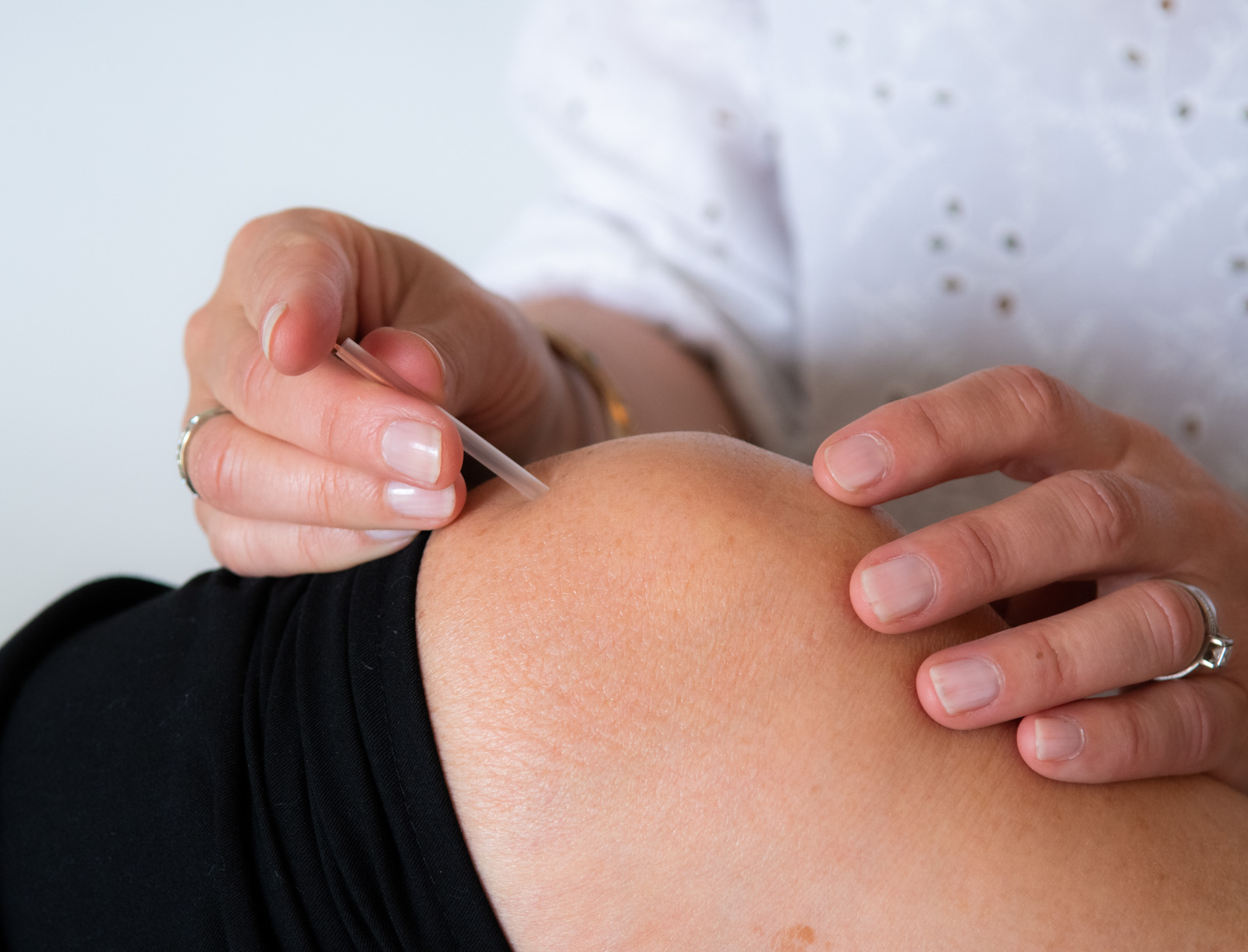
🛌 Can acupuncture help with perimenopause sleep?
Research into acupuncture for menopausal sleep problems is encouraging.
A recent systematic review of 28 randomised controlled trials found that acupuncture may have a positive role in menopausal insomnia, with some of the higher quality studies reporting improvements in sleep quality, total sleep time, sleep efficiency and time spent awake during the night.
An earlier systematic review involving more than 2,400 women also found that acupuncture was associated with improvements in menopause related sleep disturbance.
When someone comes to see me because they are waking during the night, I want to know what else is happening.
Are you having hot flushes or night sweats? Has your anxiety changed? Are you waking with palpitations? Are you exhausted during the day? Are you getting headaches? Have your periods changed?
And importantly, what else is going on in your life?
Because hormones may be part of the picture, but we cannot blame them for absolutely everything.
💊 Can I have acupuncture if I am taking HRT?
Yes. Acupuncture can be used alongside HRT.
It does not have to be a choice between HRT and acupuncture.
Some women I see are taking HRT but still have symptoms they would like additional support with. Others cannot take HRT or have decided it is not right for them.
Your treatment should be based on you, your symptoms and your medical history.
🍷 What else can I do to help my sleep during perimenopause?
It is worth looking at the whole picture rather than automatically assuming every 3am awakening is caused by perimenopause.
Caffeine, alcohol, stress, medications, pain, restless legs, thyroid problems and sleep apnoea can all interfere with sleep.
HRT may be appropriate for some women, particularly when sleep disturbance accompanies symptoms such as hot flushes and night sweats. Menopause specific cognitive behavioural therapy can also be considered for some menopause related sleep problems.
If poor sleep is persistent or significantly affecting your life, speak to your GP or an appropriately qualified menopause healthcare professional.
And if you snore heavily, wake choking or gasping, experience significant palpitations or have other symptoms that concern you, do not simply assume it is menopause.
😁 Where can I find acupuncture for perimenopause and menopause near St Albans?
If perimenopause has turned you from someone who happily slept through the night into a reluctant member of the 3am ceiling staring club, you are very welcome to come and see me.
I have over 15 years of experience as an acupuncturist and a particular interest in supporting women through the different stages of life.
I offer acupuncture for perimenopause and menopause from my quiet garden clinic in Bricket Wood, Hertfordshire, close to St Albans, Radlett, Park Street and Watford.
You can come for acupuncture whether you are taking HRT or not.
If you are not sure whether acupuncture is right for you, you can also book a 15 minute discovery call before deciding.
📆 Book an appointment or discovery call here.