Quick Answer: Many women struggle to calculate ovulation because the standard “Day 14” rule is a myth. Ovulation timing is highly variable, tied to individual cycle length, and can be easily shifted by lifestyle factors or conditions like PCOS.
Ovulation typically occurs around 14 days before your next period, not necessarily on day 14 of your current cycle. This means if you have a shorter cycle, you may ovulate earlier, and if you have a longer cycle, you may ovulate later. For example, a woman with a 35-day cycle may ovulate closer to day 21, whereas someone with a 24-day cycle may ovulate around day 10.
Ovulation Timing: Why “Day 14” Is a Myth
Every woman’s menstrual cycle is different. Factors you might not expect can all affect the timing of ovulation. This is why even women with regular periods may ovulate earlier or later than expected from month to month.
Research published in Nature Digital Medicine found significant variability in ovulation timing between women and cycles, challenging the idea that ovulation consistently happens on day 14.
Factors that can affect ovulation timing include:
- Stress and sleep disturbances
- Hormonal imbalances
- Travel and significant diet changes
- Intense exercise
- Medical conditions like PCOS (Polycystic Ovary Syndrome)
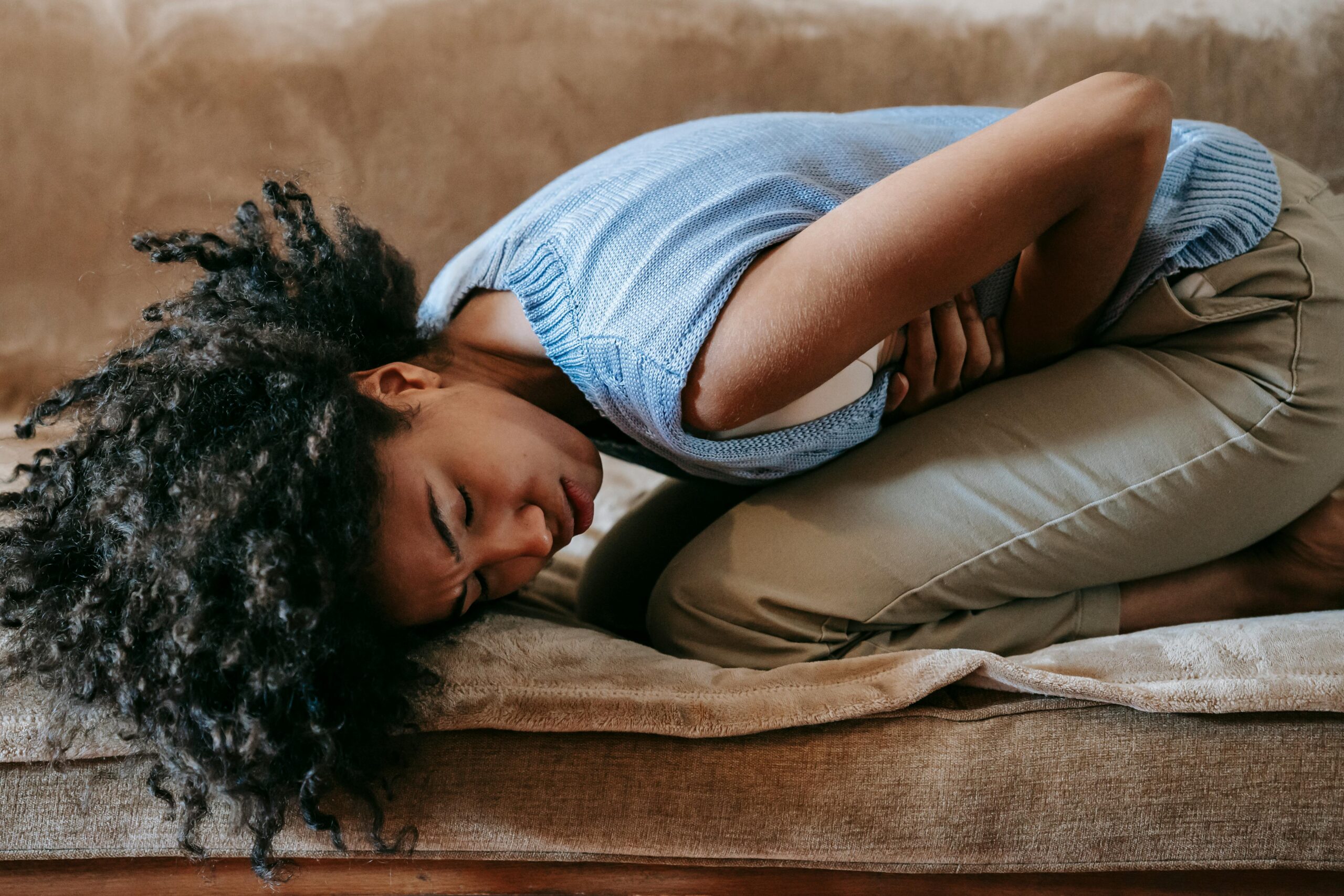
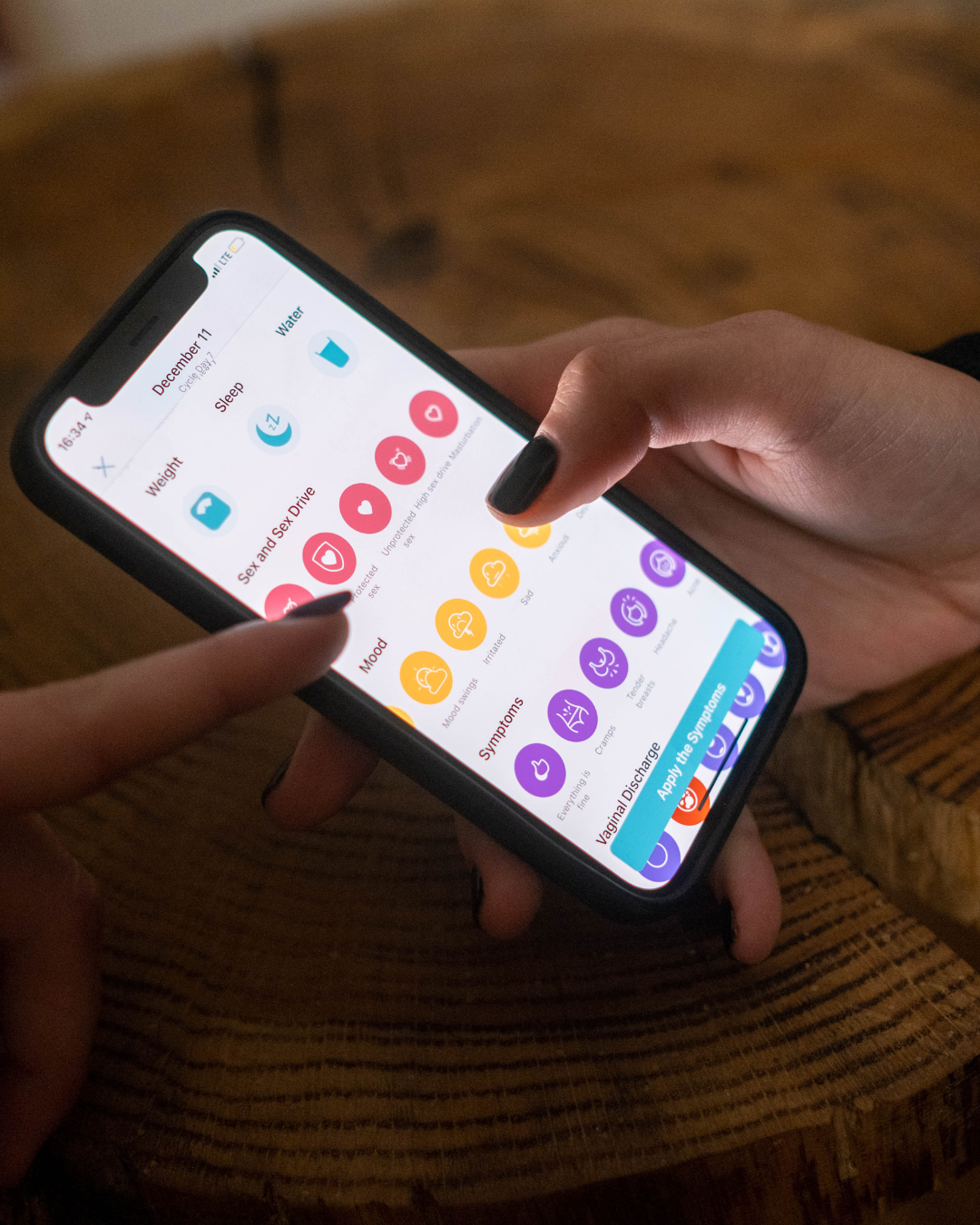
Ovulation symptoms can also vary greatly. Some women experience pelvic pain, bloating, mood changes, breast tenderness, or cervical mucus changes, while others notice no symptoms at all. This can make natural fertility tracking feel confusing and stressful, especially for women trying to conceive.
PCOS and Ovulation Predictor Kits (OPKs): Understanding False Positives
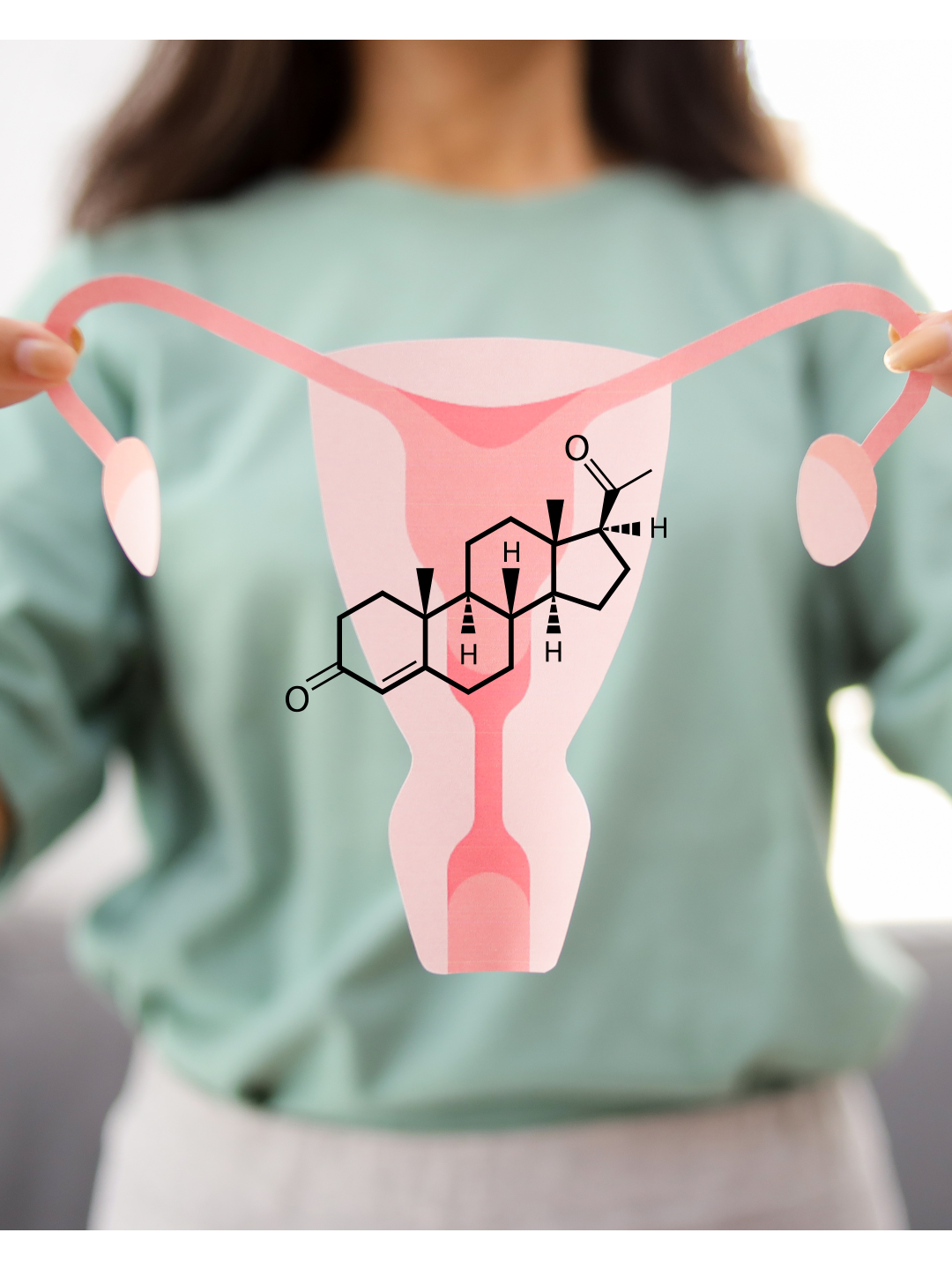
For women with PCOS, ovulation tracking can be even more difficult. Many ovulation predictor kits (LH sticks) work by detecting a surge in Luteinising Hormone (LH) before ovulation.
However, women with PCOS often naturally have elevated LH levels throughout their cycle. This can lead to false positives and inaccurate results, suggesting ovulation is happening when it is not. This is why many women with PCOS benefit from more advanced hormone monitoring devices, such as the Mira Fertility Tracker, which measures multiple hormone trends more accurately. Access my exclusive MIRA discount code by using my 20% off code 2ACUPUNCTUREILANA20.
Holistic Fertility Support: The Role of Acupuncture
As a licensed acupuncturist with qualifications including MBAcC BSc (Hons) Lic.Ac, Hormone Specialist, and Fertility Support Trained, I support women with irregular periods, hormonal imbalance, PCOS, fertility challenges, and ovulation issues.
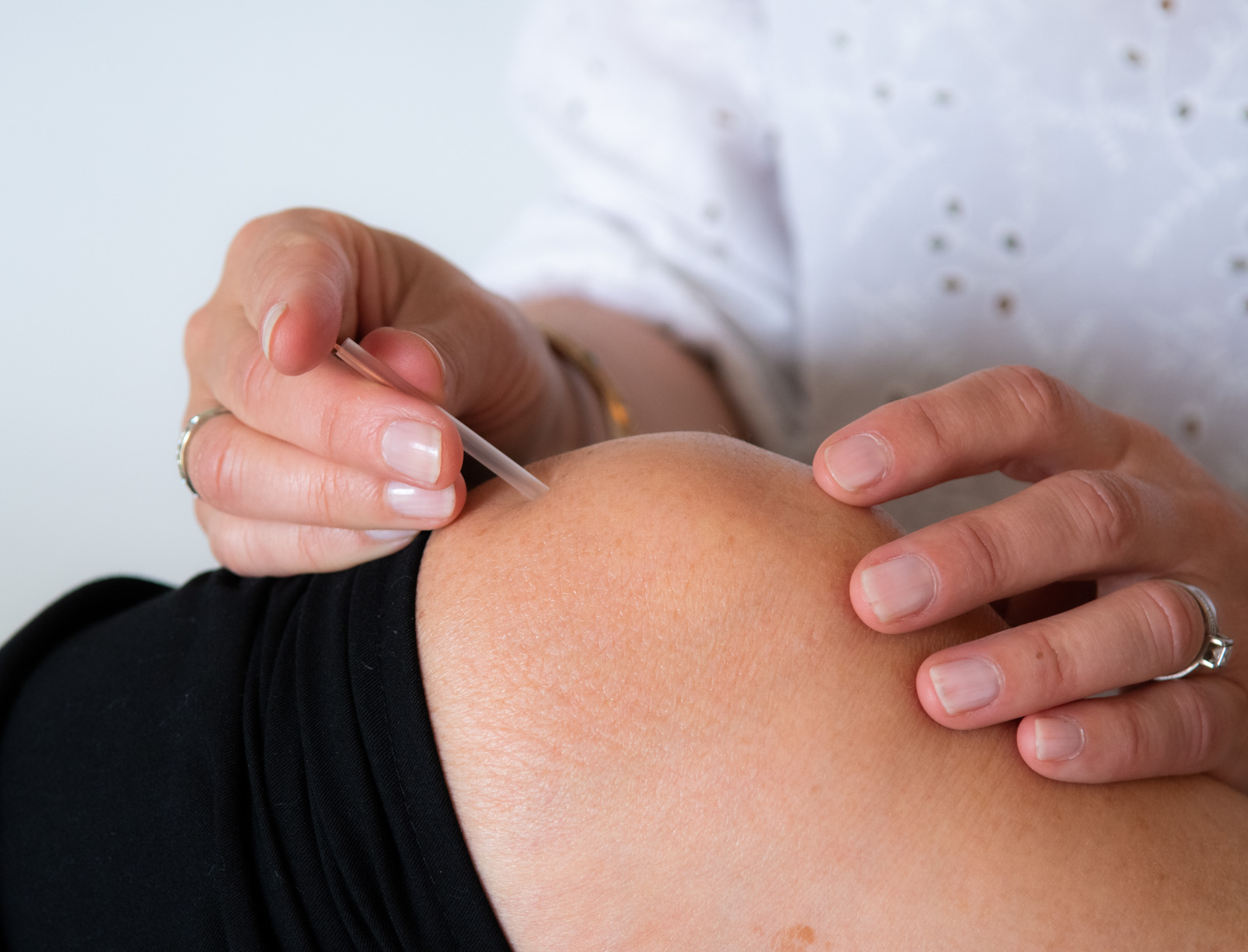
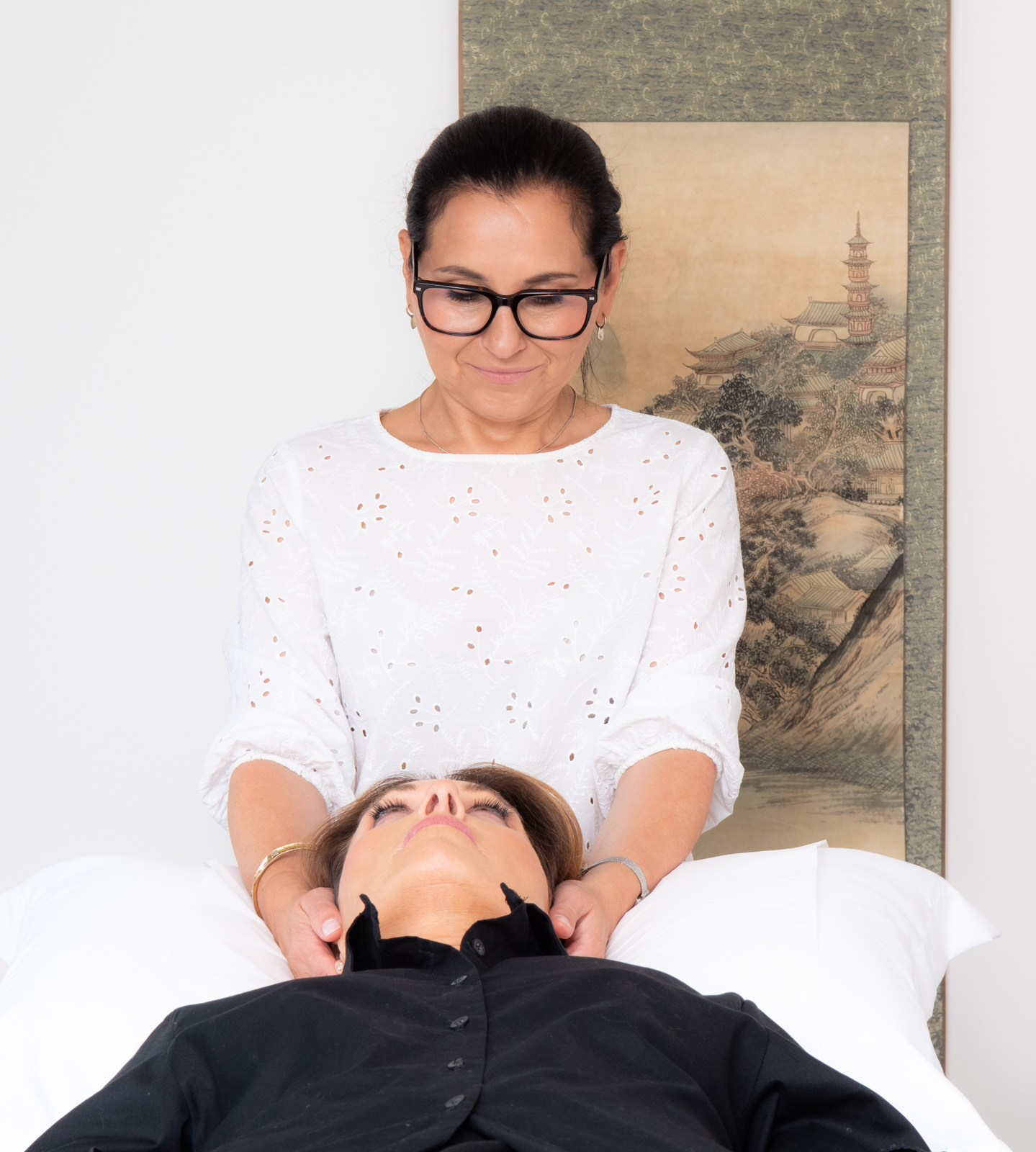
I work closely with women who are not ovulating regularly by using acupuncture alongside lifestyle advice, cycle tracking, and personalised fertility support plans to help encourage natural ovulation and improve reproductive health.
Acupuncture may help support regular ovulation by improving blood flow to the reproductive organs, supporting hormone balance, and helping regulate the nervous system and stress response. Research suggests acupuncture may influence the hypothalamic-pituitary-ovarian axis, which plays an important role in menstrual cycles and ovulation
Understanding ovulation is not always straightforward, and struggling to track your fertile window is extremely common. Combining cycle awareness, hormone tracking, and acupuncture support may help women feel more informed and connected to their reproductive health.
Ready to stop guessing and start balancing your cycle?
If you are struggling with irregular periods or PCOS and need expert support with fertility and ovulation issues, book an initial consultation with me in Bricket Wood, St Albans.
Book Your Acupuncture Appointment
Research & Further Reading
- Real-world menstrual cycle characteristics of more than 600,000 menstrual cycles. Bull, J.R., Rowland, S.P., Scherwitzl, E.B. et al. npj Digit. Med. 2, 83 (2019). https://doi.org/10.1038/s41746-019-0152-7
- Effects of acupuncture on pregnancy outcomes in infertile women with polycystic ovarian syndrome: a protocol for systematic review and meta-analysis. Li J, Hang T, Wang X, et al. BMJ Open 2025;15: https://bmjopen.bmj.com/content/15/7/e103817
- High acupuncture expectancy is associated with shorter time to ovulation and higher chances of ovulation in infertile patients with PCOS receiving acupuncture: a secondary analysis of a randomized controlled trial. Yi Gong, Jian Li, Xiao-Ke-Wu. Acupuncture in Medicine 43, Issue 3. https://doi.org/10.1177/09645284251342261
FAQ
How do I know if I’m ovulating if I don’t have any symptoms?
Many women do not experience obvious ovulation symptoms, and this is completely normal. Tracking basal body temperature, cervical mucus, or using advanced hormone-monitoring devices such as the Mira Fertility Tracker may help identify ovulation more accurately.
Does ovulation happen at the same time every month?
Not always. Even women with regular cycles can ovulate on different days each month. Stress, illness, travel, sleep, exercise, and hormonal changes can all affect ovulation timing.
Why do I get twinges or pain when I ovulate?
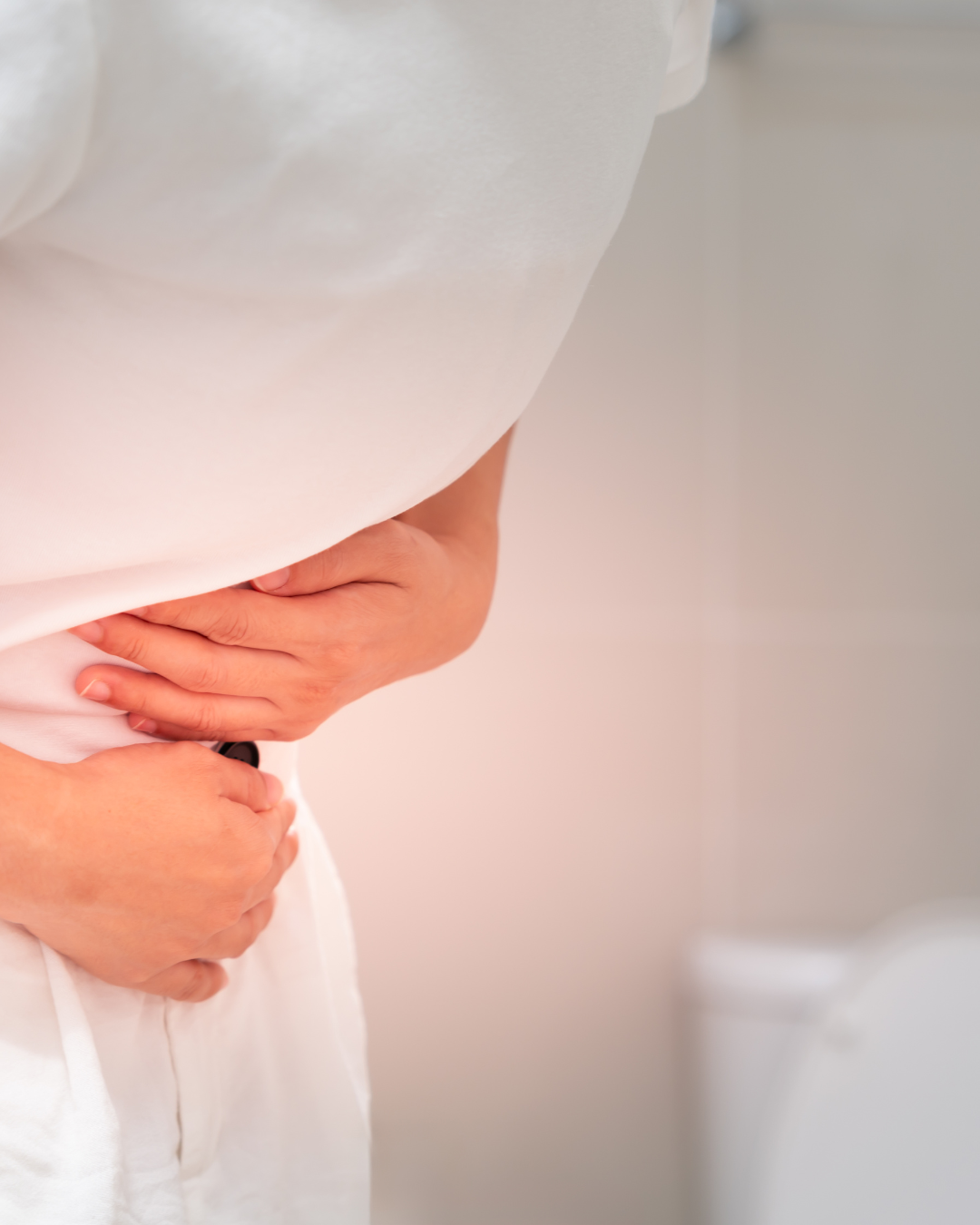
This mild pelvic discomfort is called “mittelschmerz.” It can happen when the ovary releases an egg and may feel like cramping, pressure, or a sharp twinge on one side of the lower abdomen.
Can I have a period and still not ovulate?
Yes. It is possible to bleed without ovulating, known as an anovulatory cycle. This can happen due to stress, hormonal imbalance, PCOS, thyroid issues, perimenopause, or other reproductive health conditions.
Can acupuncture help support ovulation naturally?
Some women choose acupuncture to support hormonal balance, reduce stress, regulate menstrual cycles, improve circulation, and encourage regular ovulation as part of a holistic fertility support plan.